
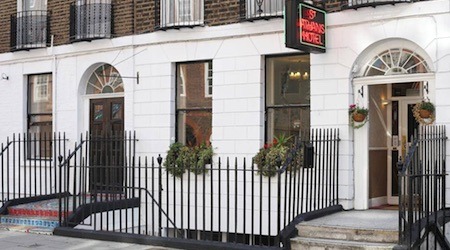
Don’t blow your budget in your sleep! Save big in London by booking a friendly, central, and budget-friendly B&B like the St. Athans (reviewed below). Photos: EuroCheapo and Booking.com Looking for the perfect budget hotel in London for your upcoming trip? We’ve combed through our listings of recommended hotels in the Queen’s city to come up with the following top best budget hotels in London for this year. Each of these has that special combination of nightly rates at a good value, great locations, high customer ratings and enough essential amenities to ensure that you have a restful night’s sleep. Throw in a free English breakfast and we’re sold! Our London Guide • Read all hotel reviews • Read ways to save in London 8 best budget hotels in London Need to catch an early train? Alhambra offers a convenient location in King’s Cross. Photo: Booking.com Alhambra Hotel 17-19 Argyle StreetAverage nightly rate for a double: £87 The King’s Cross is filled with guesthouses, but you’ll find a budget-friendly and charming option in the Alhambra Hotel. It’s an especially helpful pick if you are getting into London or leaving super early or late. Breakfast is included in the nightly rate, and amenities abound: there’s free Wi-Fi, safes, coffee and tea facilities, flat-screen TVs, and more. (Read review) Simple and sweet is the name of the game at St Athans Hotel. St Athans Hotel 20-24 Tavistock PlaceAverage nightly rate for a double: £90 Situated in historic Bloomsbury, the family-run St Athans Hotel offers simple one-star rooms (with shared or private bathrooms) at rock-bottom rates. Most of the hotel’s 45 guestrooms share facilities and feature a sink and no other in-room amenities. A few rooms are equipped with private facilities, as well as a TV. (Read review) Enjoy lush park views from your room at MacDonald Hotel. Photo: Booking.com MacDonald 45 – 46 Argyle SquareAverage nightly rate for a double: £93 Just a short walk from the British Library, the MacDonald is well-located in King’s Cross. Rooms may not charm you with their design, but they are clean and quiet and include TVs, fans, and coffee/tea makers. We recommend the front-facing rooms, which overlook a park. (Read review) LSE Bankside House is only available in the summer, but rates are a steal. LSE Bankside House (Summer Only) 24 Sumner StreetAverage nightly rate for a double: £102 The LSE Bankside House is a London School of Economics dormitory, one of several open to the general public during summer months. All are well-priced for London, and Bankside has an enviable location next to the Tate Modern. Its 560 rooms are available in single, double, triple, and quad configurations. (Read review) For a traditional English B&B experience, book a room at Hotel Meridiana. Hotel Meridiana 43-44 Argyle SquareAverage nightly rate for a double: £116 Situated in a smart, old-fashioned townhouse, this family-run two-star hotel has the charm of a traditional English B&B. The 25-room property is located on Argyle Square, a quiet street near King’s Cross Station and the British Library. Rooms are simple, but the location is convenient and the low rates include a full English breakfast. (Read review) Cherry Court is an excellent cheapo find around the corner from Victoria Station with friendly owners that really appreciate their customers. Photo: EuroCheapo Cherry Court Hotel 23 Hugh StreetAverage nightly rate for a double: £134 With just 12 rooms near Victoria Station, the Cherry Court Hotel is a sweet and simple pick. Guests can enjoy the back patio kitchenette for prepping simple meals, plus a fresh breakfast basket delivered to your room each morning. Rooms and bathrooms can be a bit small, but they are spotless and well-equipped. (Read review) The Celtic Hotel in Bloomsbury is one of our favorite budget hotels in Europe. Celtic Hotel 61-63 Guilford StreetAverage nightly rate for a double: £140 The Celtic Hotel is one of our favorite budget hotels in all of Europe. It boasts lovely proprietors, great rates, clean rooms, and a central location next to Russell Square in the heart of Bloomsbury. In short, it’s hard to find anything to complain about (aside from the difficulty of booking a room!). (Read review) Enjoy some quiet time in the courtyard at 72QT. 72QT 72 Queensborough TerraceAverage nightly rate for a double: £194 The Latvian Guest House, also known as 72QT, is a surprising and somewhat hidden budget hotel near Hyde Park in Bayswater, offering 16 simple but well-maintained guestrooms. Free cooked breakfast, Latvian touches, and cheap rooms all add up to an excellent London cheapo stay. (Read review) More hotel recommendations Want to read more of our hotel picks for London? Check out all of our listings here, or click to see hotels in South Kensington, Bloomsbury, near Victoria Station, Paddington Station, and near Hyde Park. [ad_2] Source link

Renting a Car in San Diego: When It Makes Sense
San Diego is often described as easygoing, but the geography tells a practical story. The city is spread out, beaches are miles from business districts, and many useful stops are not connected by a single transit line. That is why mobility matters here. For visitors planning a short break, family holiday, or work trip with meetings across town, reliable transport can make the difference between a smooth day and a frustrating one. Downtown San Diego and Petco Park. Photo: Leo_Visions/Unsplash That is also where car hire for your stay in San Diego becomes relevant in a very practical sense. A rented vehicle is not only about convenience; it’s often the most straightforward way to travel between hotels, the airport, coastal neighborhoods, and inland districts without having to build the itinerary around timetables. When a downtown lunch meeting is followed by a client visit in La Jolla, having flexible transportation can make the day much easier. However, a rental car is not necessary for every itinerary. Visitors staying downtown, in Little Italy, or near a trolley route may find public transit and occasional rideshares easier and less expensive once parking costs are considered. A car makes the strongest case when the itinerary includes several widely separated neighborhoods, substantial luggage, or destinations outside the best-connected areas. San Diego’s rhythm rewards people who adapt. Morning fog may give way to warm afternoons. Traffic can change quickly near the waterfront, and weekend crowds shift flow around popular destinations. A transport choice that allows for these changes usually saves time and lessens stress, which matters when a trip has a tight schedule. What Travelers Actually Need on the Road Most trips do not fail because of the destination but because of small gaps in planning. Is there enough time between check-in and the first appointment? Will a late dinner in another neighborhood cause a long wait for a ride? These questions seem minor until they arise at the wrong moment. A vehicle lets travelers control the day rather than react to it. For leisure travelers, that control often means more than one beach stop. A morning near Mission Beach can turn into an afternoon in Balboa Park, and end with dinner in Little Italy, without worrying about carrying bags from one mode of transport to another. For business travelers, it means less time spent coordinating pickups and more time spent preparing for a presentation, which is often the real priority. San Diego also works well for people who mix city time with short escapes. A rental car makes it easier to move beyond central districts and explore places that are otherwise harder to reach efficiently. Even a day trip becomes more realistic when departure times fit the traveler’s schedule instead of the other way around. Choosing and Using a Rental Car Thoughtfully Mobility today is no longer only about speed. It is also about how a trip aligns with broader environmental expectations. Electric vehicles, efficient engines, and shared-use models have changed the conversation. Travelers are increasingly aware that how they move matters, especially in regions where road travel is a part of everyday life. In a place like Southern California, that discussion feels especially relevant. Long distances are common, yet so is interest in lower-impact transport. Electric cars, where charging is practical, can reduce local emissions and fit neatly into urban travel patterns. Car sharing also has a role, particularly for residents who need occasional access rather than full-time ownership. The point is not to eliminate driving. It is to make every trip more considered. For visitors, sustainable mobility often starts with simple decisions. Travelers who need a car can limit unnecessary driving by grouping nearby stops, avoiding backtracking, and choosing an appropriately sized or electric vehicle when the route and available charging make that practical. Weekend Routes That Reward a Car Some destinations are easier to enjoy when the schedule is your own. San Diego is full of routes that fit that idea. A drive along the coast gives travelers a sense of the region’s scale. Inland neighborhoods show a different side of the city, shaped by local life rather than beachfront traffic. The result is a trip that feels broader and more complete. For a short stay, one sensible approach is to separate the city into clusters. One day can focus on the harbor and downtown, another on the coastal north. A third can be left open for a relaxed outing, perhaps with a stop in a quieter district or a scenic drive without a strict timetable. This structure leaves space for spontaneity, which travelers often remember most. Business travelers can use the same logic. Meetings rarely happen in one place, and even a well-organized agenda may face unexpected changes. A vehicle can turn a complicated day into a manageable one, especially when appointments are spread across the metropolitan area. Time is often the most costly part of a work trip. What Makes a Good Rental Experience People often think of car rental as a simple transaction, but the experience improves when important details are clear from the start. Vehicle size matters in a city where parking varies by district. So does fuel choice, particularly for visitors weighing cost, range, and environmental impact. The best option usually suits the trip, not the other way around. There is value in understanding the local driving environment before setting off. San Diego is generally straightforward, yet it has its own patterns. Morning and evening congestion can build near major corridors, and popular weekend spots may require patience. A calm approach helps. So does checking where parking is available before switching from one stop to the next. For families, comfort matters as much as efficiency. Luggage space, child seats, and room for beach gear can become deciding factors. For solo travelers, compact size may be more useful, especially if the route includes several urban stops. The right choice is not always the biggest or newest but the one that fits the plan without extra work. San
Alaska and Hawaiian Face $521,900 Art Cargo Lawsuit
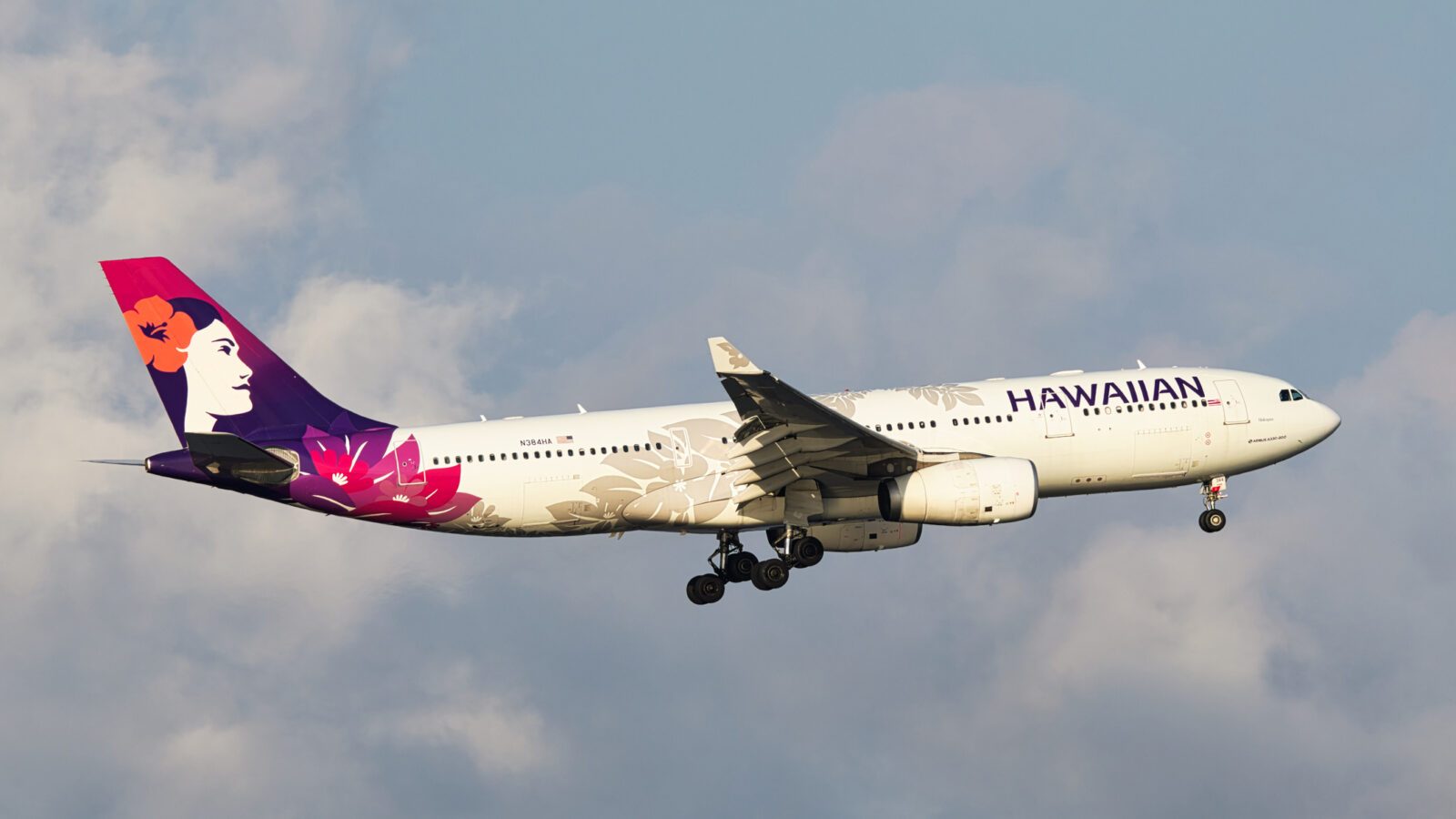
Alaska Airlines, Hawaiian Airlines and freight forwarder Compass Forwarding are being sued over more than $521,900 in alleged damage to a shipment of Japanese paintings transferred at Honolulu (HNL) during heavy rain. Distinguished Programs Insurance Brokerage filed the action on September 3 in the Supreme Court of the State of New York, New York County. The insurer is pursuing the case as subrogee of Naga Antiques, meaning it says it compensated the Hudson, New York, art dealer and acquired the right to seek recovery from the companies allegedly responsible for the loss. The insurer’s seven-page summons and complaint, assigned index number 161189/2026, seeks more than $521,900, interest dating from March 18, 2026, legal costs and other relief. The allegations have not yet been tested in court. Read our stories in your inbox Two aviation newsletters. Zero fluff. Paintings Allegedly Soaked During the Honolulu Transfer According to the complaint, Compass entered into a transportation contract as Naga’s agent on or about March 9. The shipment comprised 11 items described as original paintings on paper, packed in cardboard crates for carriage from Osaka Kansai (KIX) to New York JFK (JFK). The routing required a stop at HNL. Distinguished alleges the paintings were removed from an aircraft during a heavy rainstorm without precautions sufficient to protect them from water. The crates and their contents allegedly became soaked, causing damage valued at more than $521,900. The filing does not treat the loss as a minor handling error. It accuses the airlines of gross neglect, reckless disregard and willful misconduct, alleging personnel knew that leaving the shipment unprotected in heavy rain would probably damage the paintings. Similar allegations are directed at Compass, which the insurer says had contractual and bailment duties to transport and protect the artwork. The complaint separates its claims into one cause of action against Alaska and Hawaiian and another against Compass, while demanding judgment against all three defendants. The alleged loss occurred during an exceptional spell of wet weather across Hawaii. The National Weather Service’s summary of the March 10-24 severe-weather period describes back-to-back low-pressure systems, deep tropical moisture, thunderstorms and widespread heavy rain. Honolulu recorded 5.51 inches on March 13 and another 1.75 inches on March 14, both daily records. The Alaska-Hawaiian Structure Complicates the Claim The lawsuit names Alaska Airlines and Hawaiian Airlines as separate corporate defendants, although their operations were already closely integrated by March. Alaska Air Group acquired Hawaiian Holdings in September 2024, and the Federal Aviation Administration placed the two carriers under a single Alaska operating certificate on October 29, 2025. Hawaiian continued as a distinct customer-facing brand, but training, operating procedures, manuals, dispatch and regulatory oversight had been unified. Air Group’s 2025 annual report describes the combined Alaska and Hawaiian operation as carrying passengers and cargo across North America, Asia and the Pacific. That structure may make the contract and handling records particularly important. The complaint says Compass contracted with Alaska, names Hawaiian alongside it and refers to the two defendants collectively as the airline. Air waybills, custody records and ground-handling documents should establish which entity accepted the crates, which operation controlled them at HNL and how responsibility was divided during the transfer. ID 358286667 | Air © Boarding1now | Dreamstime.com Hawaiian’s Widebody Network Carries Belly Freight The itinerary follows Hawaiian’s established long-haul network through Honolulu. A published Hawaiian Air Cargo schedule lists the daily Osaka-Honolulu service as HA450, operated with the Airbus A330-200. The airline has also used both the A330-200 and Boeing 787-9 between Honolulu and JFK during different schedule periods. The A330-200 is central to Hawaiian’s passenger and belly-cargo operation. Alaska Air Group’s July 2026 fleet listing shows 24 aircraft, each configured for 278 passengers: 18 in First Class, 68 in Premium Class and 192 in the main cabin. Its widebody lower deck and transpacific range make it suitable for connecting Asian cargo through HNL to continental U.S. gateways. For artwork, however, the aircraft type is less consequential than the ground process. Freight must move between the aircraft and cargo facilities through an open ramp environment. Weather protection therefore depends on packaging, covered carts, transfer equipment, staging decisions and coordination among the carrier, ground handler and freight forwarder. International Cargo Liability May Limit the Recovery The amount demanded in the complaint is not necessarily the amount recoverable from the carriers. An Osaka-to-New York air shipment falls within the international cargo framework of the Montreal Convention, which standardizes carrier liability for cargo damage between participating countries. ICAO raised the convention’s cargo limit to 26 Special Drawing Rights per kilogram from December 28, 2024. The default calculation is based on the weight of the affected package or packages rather than the commercial value of their contents. A shipper can obtain a higher ceiling by making a special declaration of interest in delivery and paying any required supplementary charge. The treatment of the air waybill, declared value and shipment weight could therefore determine whether the insurer can pursue the paintings’ full alleged value against the airline defendants. The complaint’s repeated references to recklessness and willful misconduct are notable. Under the text of Article 22, the misconduct exception to liability limits expressly applies to passenger delay and baggage provisions in paragraphs one and two. It does not expressly extend to the cargo ceiling in paragraph three, making the shipment’s declared-interest terms potentially more significant than the language used to characterize the ramp handling. Bottom Line The case puts a high-value claim against an everyday weak point in widebody cargo operations: the movement between a protected aircraft hold and an airport cargo building. HNL’s role as Alaska Air Group’s central Pacific connecting point means international freight routinely changes aircraft there, and even a short period of exposure can become consequential when paper artwork is packed in water-vulnerable outer containers. For Alaska and Hawaiian, the dispute will test how contractual responsibility follows operational integration. A single certificate may simplify flying, but cargo claims still depend on the air waybill, corporate relationships, station procedures and the point at

Famous Trekking Trails of the World & Their Difficulty Ratings
Trek difficulty ratings are close to useless, simply because if someone says it’s challenging, it doesn’t mean the same “challenge”. A four-day walk in Iceland where a hut with a kitchen waits at the end of each day is very different from four weeks above 4000 metres in Bhutan where a snowstorm can end your trip. Both are challenging, but not even remotely comparable and if you’re planning a family trek with your kids, then each trek will create additional tests. Every trek below is ranked on three separate things that most people don’t put together: how hard it is on your body, how much altitude risk it carries, and how much administrative friction stands between you and the trailhead. That last one is the one nobody writes about, and it’s the main reason more trips never happen. The three things that actually decide whether you finish Physical load. Total ascent matters more than distance. Corsica’s GR20 covers 180 km, but climbs roughly 10,000 m across it, which is why fit people limp off it. A flatter trail twice the length can be easier. Altitude risk. Above about 3,000 m, your body starts working noticeably harder. Above 4500 m, altitude sickness becomes a planning problem rather than a footnote, but it can vary from person to person. Here’s what surprises people: gym fitness offers almost no protection. For example, I’ve never had an issue in Peru while some others needed to use oxygen bottles) Logistical friction. Permit caps, booking lotteries, hut reservations that open in January, guide requirements written into national law, seasonal closures, and flights that only run in decent weather. A trek can be physically easy and still be out of reach because you didn’t book it a year in advance. Most round-ups only cover the first. The three treks below with the highest friction scores are the ones people most often give up on, and not one of them is the hardest walk on the list. Tier one: manageable if you walk regularly 1. Laugavegur Trail, Iceland Distance 55 km / 34 mi · Days 3 to 4 · Max altitude ~1,100 m / 3,600 ft Iceland is on everyone’s bucket list. It’s a perfect destination for everyone and views are unbeatable and treks are honestly fairly easy. You can surely do them with kids as well (I’ve done it with my 7 year old!). The only problem? The huts. They’re run by the Icelandic Touring Association, they’re small, and they sell out months ahead for the short late-June to early-September season. Camping alongside them needs pre-booking too. There’s a bus at each end and no road access in the middle, so a weather day means sitting it out rather than walking out. 2. Alta Via 1, Dolomites, Italy Distance ~120 km / 75 mi · Days 10 to 12 · Max altitude ~2,750 m / 9,000 ft Lago di Braies south to Belluno, sleeping in rifugios that serve proper dinners and cold beer is literally straight out of a postcard. The altitude never becomes a health issue, and cable cars let you shorten sections without shame. While there are many Via Ferratas, you can definitely skip them if you’re traveling with kids. I used to hike all over the Dolomites and skipped the harder treks when my firstborn was just a baby. We could still stay in mountain huts without any issues – they’re all kid-friendly. Rifugio bookings open early in the year, and the popular ones go fast. Season is roughly late June to late September and rain can definitely interrupt your trip, so it’s a tough one to plan. 3. W Trek, Torres del Paine, Chile Distance ~80 km / 50 mi · Days 4 to 5 · Max altitude ~1,200 m / 3,900 ft Patagonian granite towers, glaciers and wind strong enough to knock you sideways. Physically it’s moderate and many backpackers do it without any preparation. Administratively, it’s one of the strictest trails anywhere, with park entry plus separate accommodation bookings across two different concession operators, and rangers will turn you back at checkpoints if you can’t show them. You must book everything six months out for the October to April window. Tier two: fit, but no technical skills needed 1. Salkantay Trek, Peru Distance ~72 km / 45 mi · Days 5 · Max altitude 4,630 m / 15,190 ft It’s probably the trek most people dream about and then miss out on. It reaches Machu Picchu without the Inca Trail‘s permit cap. Inca Trail places sell out four to six months ahead and since that cap counts guides and porters, the real number of trekker slots is much smaller than the headline. Salkantay has no equivalent lottery, crosses a higher pass, and sees fewer people on the trail. You still need to acclimatise in Cusco so that part alone will be rough for many. However, two trips later, one of which was with my kids, I had no problem with the altitude, and that includes even higher elevations like the Rainbow Mountain trek. 2. Mount Kilimanjaro, Tanzania Distance ~70 km / 43 mi · Days 7 to 8 · Max altitude 5,895 m / 19,341 ft Africa’s high point that can be reached on foot. Route length is the whole game here: summit success rates on seven- and eight-day routes are markedly better than on the five-day options, purely because of acclimatisation. Guides are required by Tanzanian law, and porters carry the camp, so booking is straightforward and the trek can be actually relaxing. Plus, you can add an African safari to your itinerary straight away. Tier three: real commitment 1. Annapurna Circuit, Nepal Distance: 160 to 230 km depending on road transfers · Days 12 to 18 · Max altitude 5,416 m / 17,769 ft at Thorong La Annapurna is the most spectacular trek across subtropical valleys to Tibetan high desert. Some claim it offers the most amazing mountain views in the world, but it’s slippery, which is
The 10 Best Bakeries in Rome for Pastries & Bread
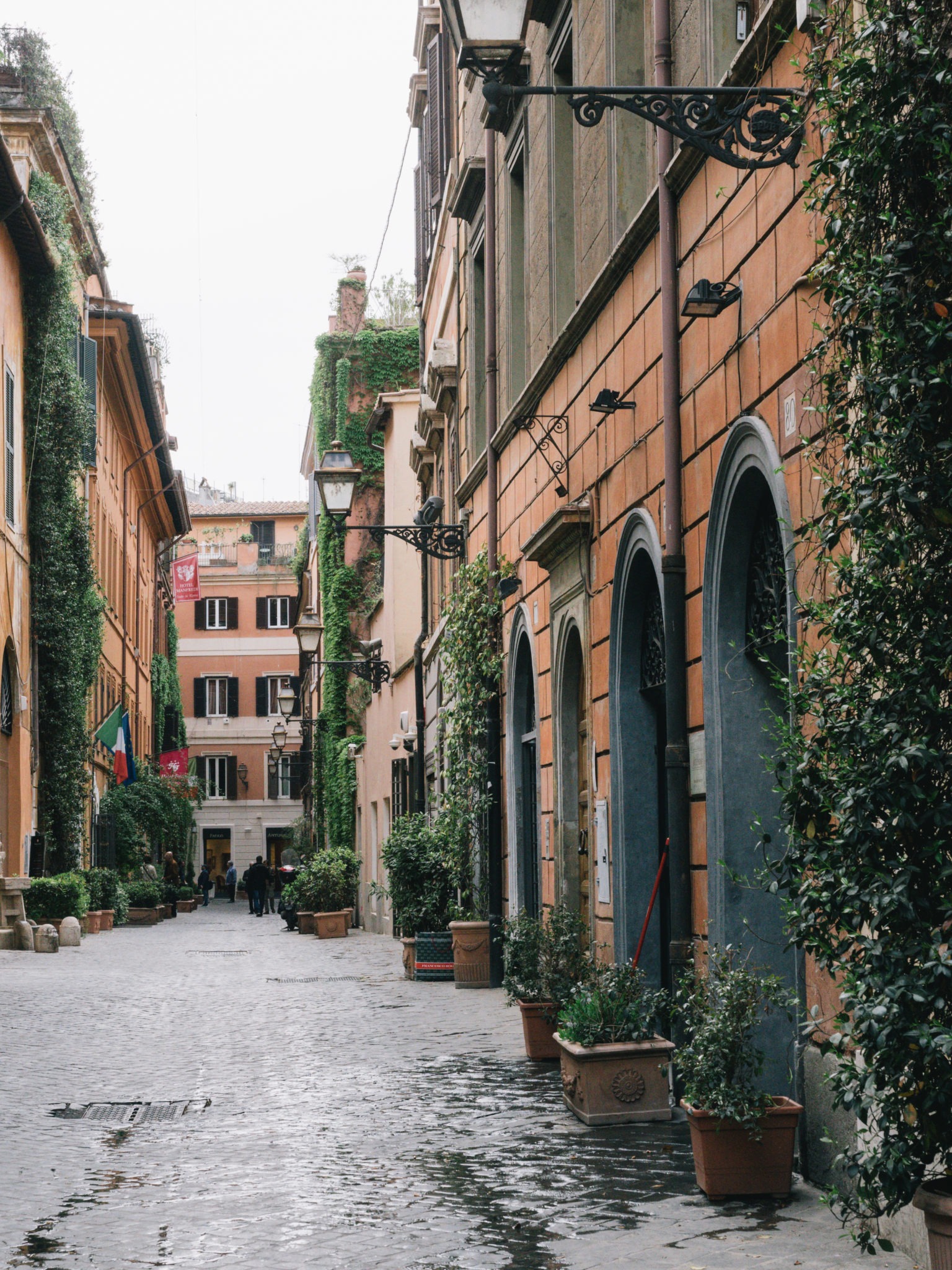
Rome doesn’t really do delicate. This is a city that treats bread and pastry as something closer to sustenance and ritual than indulgence — you eat your cornetto standing up, elbow to elbow with a dozen strangers, coffee in hand, and you’re back on the street within four minutes. There’s no elaborate plating culture here, no French-style precision for its own sake — what Rome does instead is deceptively simple, deeply ingredient-driven baking that’s barely changed in generations: fresh maritozzi filled with obscene amounts of whipped cream, pizza bianca torn straight from the tray and wrapped in paper, and bread made using fermentation techniques some of these bakeries have quietly perfected over decades while the rest of the food world caught up to sourdough. We’ve spent entire mornings in Rome doing nothing but bakery-hopping between neighbourhoods, and if you’re planning to do the same, these are the ten stops worth building your itinerary — and your appetite — around. 1. Roscioli If you only have time for one bakery stop in Rome, make it Roscioli. Famous citywide for its bread and pastry counter, it’s as much an institution as it is a shop — attached to a renowned deli and restaurant that draws its own devoted following. The bread counter alone is worth the visit, but it’s worth arriving hungry enough to also try whatever’s come fresh out of the oven that morning, since the selection shifts throughout the day. 2. Regoli Tucked into the Esquilino neighbourhood, Regoli has been baking since the early 1900s and is widely considered the benchmark for Rome’s most iconic pastry: the maritozzo. These cream-filled sweet buns are a genuine Roman institution, and Regoli’s century of practice shows in the balance between the soft, slightly sweet bun and the generous, unapologetic amount of whipped cream inside. 3. Antico Forno Roscioli A separate stop from its more famous sibling, Antico Forno Roscioli is where to go specifically for pizza bianca and traditional Roman-style focaccia. This is the kind of bakery locals duck into on the way to somewhere else, emerging with a paper-wrapped slice eaten on the move — simple, salty, olive-oil-drenched, and exactly what Roman bread culture is built on. 4. Pasticceria De Bellis De Bellis is Rome’s answer to what happens when traditional Italian pastry meets modern, design-forward precision. Every piece here looks almost architectural — clean lines, exact proportions — without losing the flavour integrity of the classic recipes it’s reinterpreting. It’s a good stop for travelers who want to see where Italian pastry tradition is heading next, rather than only where it’s been. 5. Bonci Pizzarium Technically a pizza al taglio shop rather than a bakery in the traditional sense, Bonci Pizzarium is essential to understanding Rome’s relationship with bread. Gabriele Bonci’s long-fermentation dough and ever-changing, market-driven toppings have made this a pilgrimage stop for anyone serious about Roman baking, and it’s often cited as the standard every other pizza al taglio shop in the city is measured against. 6. Panificio Bonci From the same team behind Pizzarium, Panificio Bonci shifts the focus specifically to bread and baked goods, using the same exacting fermentation philosophy. It’s a quieter, less crowded way to experience Bonci’s technique if the queues at Pizzarium feel like too much of a commitment. 7. Pasticceria Boccione Hidden in Rome’s old Jewish Ghetto, Boccione is one of the city’s most historically significant bakeries — a family-run institution for generations, famous for its dense ricotta and sour cherry tart. There’s no seating, no fuss, and often no clear sign out front, which is exactly the point; this is a bakery that has never needed to try. 8. Faggiani Widely regarded as one of the best pure bread bakeries in Rome, Faggiani has built its reputation on long-fermentation techniques that produce a genuinely exceptional crust and crumb. It’s a favourite among Rome’s food-obsessed locals rather than a tourist stop, which makes it worth the slight detour to track down. 9. Cristalli di Zucchero For a more refined, French-influenced take on Italian pastry, Cristalli di Zucchero offers delicate, technically precise desserts that sit slightly outside Rome’s more rustic baking tradition. It’s a good contrast stop if you’ve spent the morning eating cornetti standing at a bar counter and want something a little more considered in the afternoon. 10. Pasticceria Barberini A classic, old-school pastry counter near the Trevi Fountain, Barberini is exactly the kind of unpretentious neighbourhood spot Romans have relied on for decades — perfect for a quick espresso and cornetto between sightseeing stops, without needing to seek out anything more elaborate. Rome Bakery Neighborhoods to Know Testaccio and the Jewish Ghetto hold some of Rome’s most historic, tradition-focused bakeries, while the city center is dense with quick espresso-bar-style pastry counters. FAQs: Bakeries in Rome What pastry is Rome most known for? The maritozzo — a sweet bun filled with whipped cream — is one of Rome’s most iconic bakery items, alongside cornetti and pizza bianca. What time do Romans eat pastries? Cornetti are traditionally a breakfast item, eaten standing at a bar counter with an espresso, typically before 10am. Is Rome a good city for bread lovers? Yes — Rome has a strong long-fermentation bread tradition, with bakeries like Faggiani and Roscioli leading a renewed focus on artisan bread. Still want more? The WOW Guide to Rome The best luxury hotels in Rome The 7 Most Instagrammable Places in Rome Brooke Saward Brooke Saward founded World of Wanderlust as a place to share inspiration from her travels and to inspire others to see our world. She now divides her time between adventures abroad and adventures in the kitchen, with a particular weakness for French pastries. Find me on: Twitter | Instagram | Facebook Source link

In defense of the bold and fearless weka: New Zealand’s most unruly bird
Sharing is caring! I can still remember the first time I saw a weka here in New Zealand. Traveling around the South Island, I was staying in a cute cabin in the forest on the West Coast. On a humid, warm day, I left the doors open, hoping for a breeze. First rookie mistake, guys: never leave anything open when visiting the West Coast in the bush. You will be annihilated by sandflies. Looking up from my book, I saw that a big, fat brown bird had wandered inside, poking around fearlessly. What is this thing? I had no idea. I spent the next 10 minutes shooing it around, trying to encourage it to go back outside while it shat everywhere. Not a good first encounter with the weka. Later I would learn they can poop their body weight in a day. Respect. But they haven’t really risen in my esteem until recently. However, I’ve just returned from an adventure on the Heaphy Track, where, you guessed it, there were tons of weka. And as much as I find them annoying, they are a cheeky, fun, charismatic bird that doesn’t get enough love. Allow me the chance to try to redeem them. New Zealand weka have such an attitude. They are not afraid of much, including people, and are very curious. They will come right up to you begging for food (don’t feed them) and will snatch anything if you’re not vigilant. This is around places where people congregate; they are a little less bold in more remote spots. While I was having my lunch underneath a little shelter on the first day walking the Heaphy Track, I was quickly swarmed by four weka. One was particularly brave, coming right up to me, and when I tried to shoo it away, it LITERALLY growled at me. Or whatever the weka equivalent of a growl is. More of an angry chuff-like shriek that sounds like it has smoked for fifty years. Whatever. I understood what it meant; not backing down, this daring weka just stared me down until I finished my crackers. What a power move. But you gotta hand it to them. In a country where native birds are dying left, right, and center, the weka seems to lack any sense of self-preservation. Live free or die! In the scheme of things in New Zealand, weka aren’t particularly sexy birds. They’re not fluffy and elusive like kiwi. They don’t have the gorgeous colors of the kea. They didn’t return from the dead like takahē, nor do they get drunk like kererū and fall out of trees. But in their own way, weka are beautiful. And their chicks? Omg so cute; they look like blackish-brown balls of fluff. And that’s saying something because not all baby birds are cute. And they are very interesting. Large brown flightless birds, the wily weka are solid, hefty creatures belonging to the rail family. Sometimes, the bigger ones are almost perfectly round, like a ball with legs. There are four subspecies, and their coloring ranges from chestnut to tawny to dark brown. Some have a bit of grey or black mixed in there, too. When spooked, they often jump straight up and run around, with their tail feathers sticking straight up, making them look almost cartoonish. The extroverts of the bird world have red eyes, which are beautiful yet slightly intimidating if they’re staring at you. Can you spot the weka and their markings? Invertebrates and fruit comprise the weka’s main diet, and they rip up grass and gardens alike foraging for food. I can almost see grumpy old people yelling at disobedient youths to get off their lawns. I’ve seen weka chow down on dead things, even grazing on the shoreline and tide pools. What’s good is that they eat rabbits, rats, and mice, which are pests here. But they will also eat other lizards, birds, chicks, and eggs, which doesn’t endear them, especially if they go after vulnerable species. Weka play for their own team. Because of this predatory tendency, weka are not usually welcome on off-shore predator-free islands or eco-sanctuaries (though some have been reintroduced to their own islands). I think this is fascinating! Kicked out of the rare bird club. Badass. But then again, people still eat weka on the nearby Chatham Islands, and there is a bit of a movement here to farm them. And by a bit of a movement, I mean one rouge farmer who will die on the hill of dining on weka: “I’m prepared to go to jail over it. You put me in jail, and you make a martyr of me.” Lol. I love living in New Zealand. And here we thought Australia was the only place to eat its iconic animal. Anyway, we are a long way off from chowing down on fried weka at the local pub. Do you fry them? Or is it more like a roast? No idea. I just googled it with no definitive answers; I hope I don’t end up on a list somewhere. In any case, weka are fully protected on the mainland here, but they still face the same threats our other native birds do, particularly predation, habitat loss, food scarcity/competition, and getting hit by cars. Their populations boom and crash, and their distribution has been shaken up a lot. Some do ok, others don’t. There is a recovery plan to try and return them to their original homelands. Bring back the weka. The gregarious weka have long been significant to some Māori iwi in New Zealand as a valuable resource for food, oil, and feathers. Many of the early European settlers wrote about their big personalities and thievery. But what I really want to know is who they harassed before people came here. Weka will not be told how to live their lives. And I admire that. This is a kiwi chick, not a weka I can’t tell you how often I’ve met travelers visiting
Where to Stay in NYC For a Weekend Trip (For First-time Visitors)
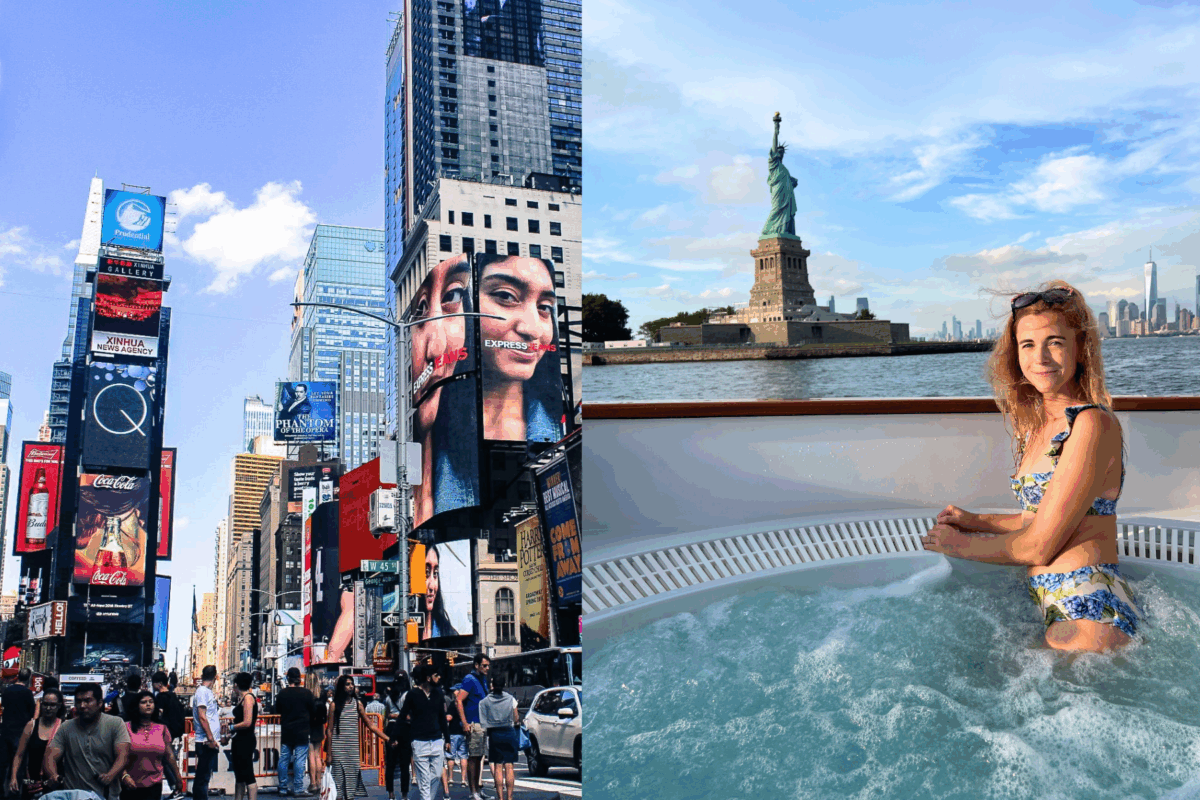
The accommodation is a huge part of any trip, but when it comes to NYC it can make or break your trip. You want to make sure that you are able to access as much of the area as possible from the door of your hotel when visiting New York City. You don’t want to have to travel super far every day to visit all the attractions planned. In this article, we’re going to be taking a look at some of the accommodation options that we think are the best choices if you’re going to be staying for a weekend in New York City. Last summer I visited NYC again (I used to live in the Big Apple when I was a student), this time with my two kids for a weekend before heading over to Europe. I was very glad we picked the right hotel, as I can honestly admit that we probably wouldn’t have covered as much… and we’d definitely not have taken our cat Poofy to see the Statue of Liberty otherwise 😉 Poofy visiting NYC! Where to Stay in NYC for First Time Visit Margaritaville Resort Times Square – for Those Looking for Active Nightlife A 4-star hotel located in Times Square, Margaritaville Resort has been open since 2021. It’s the first New York City property from this brand, and combines a tropical resort theme with a Midtown location. There are multiple restaurants, bars, a fitness center, and a rooftop pool with city views. What you don’t tend to find in NYC hotels is a vacation-style atmosphere, but Margaritaville Resort Times Square bridges that gap. As such, it’s a popular choice for tourists, and those who are visiting this place for the first time or those wanting to catch as many Broadway shows as possible. One of the biggest pros of this hotel is definitely the location, only ever steps away from Times Square and subway lines if you want to venture out a little more. In fact, this is often seen as one of the best features of the hotel. You might be surprised to hear that the rooms are actually pretty quiet even though you’re right in Times Square. The rooftop bar and pool are also definite selling points. This is rare to find in Manhattan hotels that aren’t insanely priced and as such they are some of the most distinctive features of this hotel. Are there any cons? A common complaint is that there always seems to be an issue with the elevators. Either they are slow, guests are having to wait forever to get up to their rooms, they are overcrowded and there are occasional times where they are not working at all. This is especially prevalent during busy periods, but on the other hand it’s not unique to this hotel but many of them in NYC. Another thing to note is the price. In NYC, you don’t always feel as though you’re getting what you pay for because the rooms are small, but that’s something to keep in mind. The William Vale Brooklyn – For Those Wanting a More Local Experience If you’re looking for a place with modern architecture, private balconies, rooftop venues, and a beautiful skyline view, then The William Vale might just be exactly what you’re looking for. It’s now one of the most recognizable hotels in Brooklyn, and is popular with people who want a more neighborhood-focused experience rather than heavy hustle and bustle. This place has floor-to-ceiling windows in every room, as well as a rooftop bar, outdoor pool, fitness center, and hosts multiple cultural events. You don’t get many balconies in Manhattan, but in Brooklyn it’s a nice change. Honestly, for those wanting a slightly more peaceful experience than staying near Times Square, Brooklyn is awesome. The skyline views of Manhattan are great, and in 10 minutes you can reach Manhattan by either boat or subway. Are there any cons? While the rooftop is awesome, a lot of people crammed up there trying to take pics, which creates a less intimate experience. M Social Hotel Times Square – For Ultimate Luxury Seekers The final option is M Social Hotel, which is an upscale hotel located on West 52nd Street, right on the edge of Times Square. While the location is great for first-time visitors, the best selling point of this hotel is that rooms are unusually big for Manhattan. They allow more people, which is great for families (and kids under 12 eat for free there!) or those needing more space. Another fantastic aspect is their roof terrace, which has unobstructed views of Times Square, allowing you to enjoy the hustle and bustle of the square from above, in peace. What about cons? There is some noise that still reaches the rooms at times, as there is only so much soundproofing can do. Hopefully, you have found this article helpful, and now see some of the fantastic accommodation options for the best possible weekend in New York City. Of course, there are a lot of other factors that are going to impact your trip, but this is one of the most important. You want to feel the city vibes at all times, and you want to make sure you’re comfortable while you do it. Each option on this list provides you with exactly that. Source link
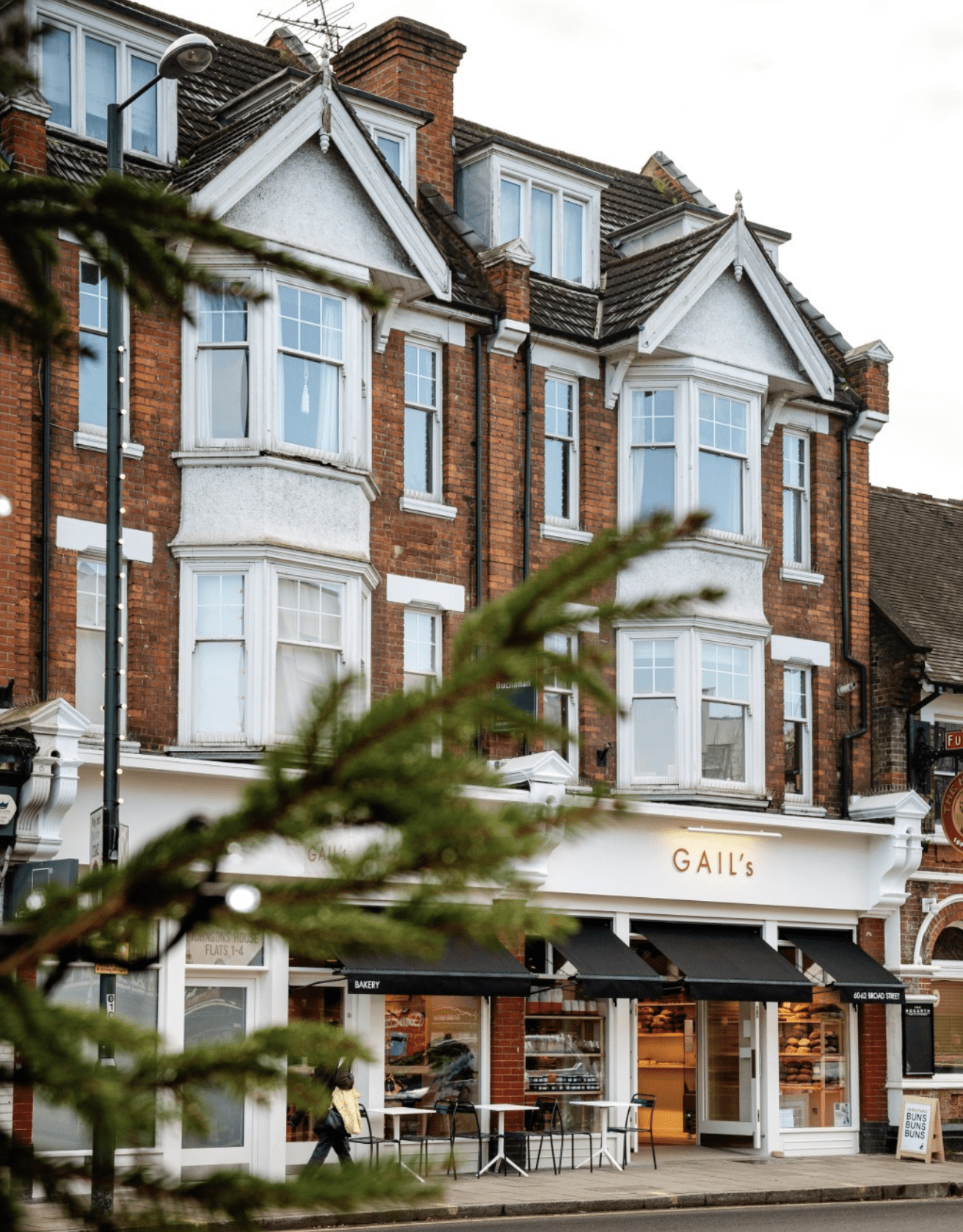
The 12 Best Bakeries in London for Pastries & Bread
London’s bakery scene has exploded over the past decade, driven by a new generation of sourdough-obsessed, technique-focused bakers. But if you’re looking for the best bakeries in London, there are a few standout players serving up unmissable pastries, sourdough loaves and seasonal specials too good to miss whilst in the English capital. These are our top 10 choices to add to your bakery bucket list when in London. The best bakeries in London for pastries and bread (top 10) E5 Bakehouse — A Hackney institution credited with helping kickstart London’s modern sourdough movement. Gail’s Bakery — Now a citywide chain, but still reliably excellent for sourdough and morning pastries. Pophams Bakery — Known for its inventive laminated pastries, including a much-loved bacon and maple pain au chocolat. St. John Bakery — From the renowned nose-to-tail restaurant, famous for its Eccles cakes and Chelsea buns. Bread Ahead — A Borough Market bakery famous for its doughnuts and hands-on baking classes. Fabrique — A Swedish bakery import known for its cardamom buns, popular with the Shoreditch crowd. Layla Bakery — A newer Hackney bakery earning a cult following for its cardamom buns and seasonal fruit danishes. Comptoir Gourmand — A French bakery-café known for classic, technically precise viennoiserie. Ole & Steen — A Danish bakery chain known for its “cinnamon socials” and reliably excellent Nordic-style pastries. Yeast Bakery — A Fulham favourite for its inventive croissant flavours and strong Instagram following. Konditor — Known citywide for its cakes, particularly its “Magic Cake” range, alongside solid everyday bakes. The Dusty Knuckle — An Dalston bakery with a strong social mission, known for its sourdough and focaccia. Bonus choice: Buns from Home — although not your typical bread and pastry bake shop, Buns from Home has built a reputation for itself as having some of the best buns in London. Now with multiple outposts around the city, its a top choice for that morning cinnamon bun craving, or if you’re feeling adventurous the seasonal specials offer surprisingly good creations. Bonus choice: Santa Nata —another top choice for a specialty treat is Santa Nata, a small outpost serving up freshly baked Portuguese tarts throughout the day. This is the only item this bakery sells, but if you’re an egg tart lover like me, this is as close as you’ll get to the real thing in London and I never miss a pitstop (or two!) when I’m in town. London Bakery Neighborhoods to Know Hackney and Dalston have become London’s bakery epicenter over the past decade, home to E5 Bakehouse, Layla Bakery, and The Dusty Knuckle within a short distance of each other. FAQs: Bakeries in London Why has London’s bakery scene grown so much? A new generation of bakers trained in artisan sourdough and French technique has driven a citywide bakery boom over the past 10-15 years. What is the best bakery neighborhood in London? Hackney and Dalston in East London have the highest concentration of well-regarded independent bakeries. Where can I take a bread-making class in London? Bread Ahead at Borough Market runs regular hands-on baking classes for all skill levels. Still want more? Solo in London: The Best Things to Do in London Solo The Best Luxury Hotels in London The Royal Guide to London: Where to spot a royal in London Brooke Saward Brooke Saward founded World of Wanderlust as a place to share inspiration from her travels and to inspire others to see our world. She now divides her time between adventures abroad and adventures in the kitchen, with a particular weakness for French pastries. Find me on: Twitter | Instagram | Facebook Source link
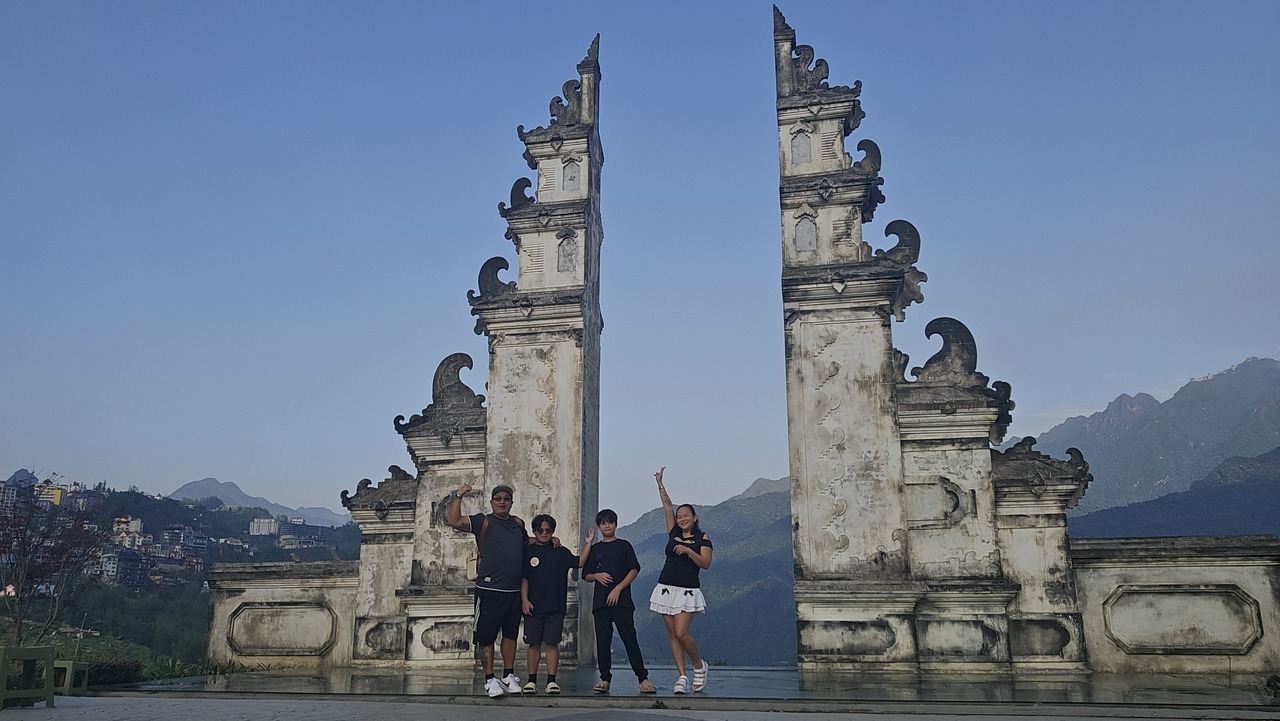
Best Places to Visit in Vietnam: 9 Day First Timer’s Guide
If you’re trying to figure out the best places to visit in Vietnam, the short answer is: almost everywhere. My Vietnam trip was never about rushing from one tourist attraction to the next. It was about a balance of adventure, good food, beautiful scenery, and slow moments along the way. The hard part is the order and the logistics. I spent nine days traveling the country, from the lantern lit streets of Hoi An to the mountains of Sapa, and left convinced it’s one of the easiest countries to explore, whether you’re going solo, with friends, or with people you love. Below is what I actually saw, what I’d tell a first timer to prioritize, and how to do it without the trip feeling rushed. (If you’d rather skip the planning entirely, here’s how Under30Experiences runs its 9 day Vietnam trip.) HERE’S WHAT THIS GUIDE COVERS The best time to visit Vietnam Hoi An and its lantern filled old town Da Nang, the Dragon Bridge, and Ba Na Hills Heading north to Sapa for the mountains The sleeper train experience Things to do in Hanoi Is Vietnam safe for solo travelers (including women)? Whether to do it independently or with a group Best time to visit Vietnam The best time to visit Vietnam is generally March and April, when the weather is mild and dry across most of the country. Vietnam is long and narrow, so the ideal window also depends on how far you’re traveling north to south. In the north (Hanoi, Sapa), spring (March to April) and autumn (September to November) bring mild, dry weather, while winter can get genuinely cold in the mountains. Central Vietnam (Da Nang, Hoi An, Hue) is driest and sunniest from roughly February to May; the autumn months can bring heavy rain to this stretch of coast. If you’re covering several regions in one trip, March and April are the safest all round window. I traveled in February and found the weather hot and humid down south, but beautifully crisp, cool, and refreshing once I reached the northern mountains. Whenever you go, pack layers for the north. Things to Do in Hoi An Hoi An! I started by flying into Da Nang and heading straight to Hoi An, and from the moment I arrived, it felt like a place that encourages you to slow down. The old town is full of character: narrow streets, yellow heritage buildings, and lanterns hanging from almost every corner. At night, Hoi An becomes something else entirely. The lanterns reflect on the river while small boats drift past, carrying visitors through the glowing waterways. The night market fills with souvenirs, snacks, and handmade crafts, and you can happily spend hours just walking with no plan at all. Food was a daily highlight: fresh seafood near the beach, Vietnamese coffee breaks, and small local cafés. Hoi An felt welcoming, safe, and easy to explore. It was the perfect place to begin a Vietnam adventure and immediately set the tone for the trip. Things to do in Hoi An: wander the Ancient Town (a UNESCO World Heritage site), do a lantern boat ride after dark, get clothes tailor made, and cycle out to the surrounding rice paddies. Getting around: the old town is walkable and largely car free. Rent a bicycle or just walk. For solo travelers: Hoi An is one of the gentlest places in Vietnam to land first. It’s compact, safe to walk at night, and full of other travelers, so it’s easy to meet people. I recommend Faifo Coffee. Things to Do in Da Nang Ba Na Hills and the Golden Bridge. After Hoi An, I moved to Da Nang for two nights. The city feels more modern and energetic but still relaxed, with wide roads, riverside cafés, and a long stretch of coast. One of the biggest highlights was Sun World Ba Na Hills. Riding the cable car high over the mountains is an experience in itself, and seeing the famous Golden Bridge in person lives up to the photos. Back in the city, evenings by the river were the move: watching the Dragon Bridge breathe fire draws a crowd, and it’s free. Things to do in Da Nang: Ba Na Hills and the Golden Bridge, the Dragon Bridge weekend fire show, My Khe Beach, and the Marble Mountains just south of the city. Getting around: Da Nang is spread out. The Grab app (Vietnam’s ride hailing standard) is cheap and reliable, which also makes it low stress for solo travelers. Good to know: Da Nang is where the U30X trip wraps up, so it’s a natural place to tack on extra days if you’re flying in or out of here. Visiting Sapa: Rice Terraces and Mountain Treks Moana Sapa. From Da Nang, I flew up to Hanoi and continued north to Sapa by sleeper bus. What looked like a long travel day on paper turned into part of the adventure. Watching the scenery shift from city streets to winding mountain roads made the hours go quickly. Sapa feels completely different from everywhere else: cooler air, fresher weather, and endless views of mountains, valleys, and rice terraces stretching into the distance. I visited viewpoints and mountain cafés, took on the downhill rides, and stopped at the little animal farms where the alpacas were an unexpected highlight. At night, local food stalls came alive, and a warm meal after a cold mountain day is hard to beat. Things to do in Sapa: trek the rice terraces (often with a local guide), ride the cable car or take on the Fansipan summit, and visit the hill tribe villages around the valley. Getting around: most people reach Sapa by overnight sleeper bus or train from Hanoi; once there, treks and viewpoints are the draw. For solo travelers: Sapa is best done with a guide or a small group. The trekking routes aren’t always obvious, and going with others is both safer and more enjoyable. Note: Sapa is in

Solo female travel in your thirties? It’s so much better than you think
Sharing is caring! As the calendar ticked over in mid-May and my 36th birthday rolled around, I couldn’t help but begin reflecting on some of those scary, big questions no one really wants to face. Starting with the obvious – do I want kids? A flexible no. Do I want to date? It’s hard to date when you hate men. Do I want to stay in Wānaka long term? Maybe. When and where would I buy a house one day? Note to self – ramp up saving for a house. It’s so easy for me to slip into negative thought patterns about money and relationships, chastising myself for not following a traditional life path. My life in Wānaka is normal; most of my friends are either on their second kid or their first divorce. To slip into a comparative mindset is second nature for me. It takes some heavy self-reflection to step back and reform the narrative. I know, I know, a lot of therapy talk. Listen, I paid an absolute shit-ton of money for therapy over the years, and I’m going to make every penny count. So, shifting my thoughts toward positive things may be harder, for it will be me, but it will be better in the long run. I try to focus on my successes and wins. I dwell on travel memories and lessons I’ve learned over the years. How different I am at 36 than 26. Older, wiser, more botox, you know, the usual. But some things stay the same: I’m an introvert, and I hate people. This means I’m still rocking the good old solo female travel lifestyle. To be honest, I don’t really see this ever changing. I love traveling on my own as much as I did 17 years ago when I boarded a one-way flight alone to Spain to study abroad for a year. In fact, I’ve solo traveled so hard for so long that I don’t even think of it as anything but just travel. What I find fascinating is how the travel landscape has changed. I still used calling cards on pay phones to ring my family that year in Salamanca. I would travel by train, arrive in a new town, and just rock up to the information center and ask about hotels. No one had smartphones and actually had to ask people for directions. I can still remember the first time someone asked ME for directions in Spain in Spanish – felt like a dream come true to appear local even though I had zero idea of where they wanted to go. Perhaps something I didn’t anticipate was that I found solo female travel in your thirties even more rewarding than when I was younger. Why? Because I’ve changed. After ruminating on this for a while, I’ve decided to pop down six reasons why solo female travel in your thirties is amazing. I’m curious if you agree with them. Enjoy! 1. Your confidence shines brighter than ever One of the best benefits of getting older is that you start to give less fucks about so many things. A lifetime people-pleaser, it’s always been hard for me to say no. But the past few years have been amazing; I just don’t care as much as I used to. I can be direct with people in ways that were extremely difficult for me in my twenties. When I was trying to sell my car a few years ago, this guy was on the phone, borderline harassing me and telling me what to do, saying I knew nothing. Instead of waiting to wrap up the conversation, I just said, “I’m not enjoying this – goodbye,” and hung up. This may seem silly to some people, but for introverts, shy folk, and people who just hate conflict, it was a big deal. And standing up to men who demean me, talk over me, mansplain, or tell me what to do? That is starting to feel really good. Learning to be more direct and not being as afraid of rejection in whatever capacity is empowering. This carries over beautifully with solo female travel in your thirties. Traveling on your own as a woman can be scary. You probably haven’t honed your bullshit radar or learned to trust your instincts over being polite. But in your thirties? “Sir, I’ve already paid you twenty bucks to ride this camel around the Pyramids. I’m not paying you more. Period.” God, I can’t wait til I’m 70, and I can just boss people around left, right, and center with zero fucks to give. 2. Your bank account looks way better I want to preface this by saying you probably have more money in your thirties than in your twenties. I’m sure some people don’t. In fact, at one point in my thirties, I had negative money for quite a while. But for the rest of you guys who know how to live within your means, this is for you. When I first started backpacking and traveling on my own at 19, I was cheap for a long time. I had to be. My jobs paid me between $5.85 and $7 an hour in the US. Yes, multiple jobs. And also, being at university when I somehow thought it was a good idea to go to a school where a four-year degree costs $200,000. I say this with privilege, but I think it’s safe to assume that many of us by our thirties have managed to sock some money away and have better jobs and, hopefully, a smaller student loan debt. Finally, gone are my years of staying in 15-bed hostels and sleeping on airport floors. I will pay more for better seats on flights or even upgrades (travel is my work, remember), I don’t fly shitty budget airlines if I can help it, and I’ll take Ubers over public transport. However, I did just get horrific food poisoning from my business class breakfast on my LATAM flight