Discover the magic of Barcelona, from Gaudí’s extraordinary architecture and medieval streets to Mediterranean beaches, local food markets, and charming neighborhoods.
Barcelona is a city that knows how to surprise you. Set between the Mediterranean Sea and the hills of Catalonia, this vibrant Spanish destination combines remarkable architecture, fascinating history, lively street culture, beautiful beaches, and an unforgettable food scene.
One moment, you can be standing beneath the spectacular towers of the Sagrada Família; the next, you might be wandering through narrow medieval streets, enjoying tapas at a traditional restaurant, or watching the sunset over the Mediterranean.
But Barcelona is much more than its famous landmarks. Beyond the postcard attractions lies another side of the city: peaceful gardens, independent boutiques, local markets, hidden squares, creative neighborhoods, and viewpoints that many visitors overlook.
Whether you are planning your first European holiday, a romantic city break, or a longer Spanish adventure, this Barcelona travel guide will help you discover the city’s biggest attractions, explore its most interesting neighborhoods, find hidden gems, and understand how to get around with confidence.
1. Sagrada Família: Barcelona’s Most Extraordinary Landmark
No visit to Barcelona is complete without seeing the magnificent Sagrada Família. Designed by the legendary architect Antoni Gaudí, this extraordinary basilica is one of the most recognizable buildings in the world.
Construction began in 1882, and the building is famous for its unusual towers, intricate stonework, dramatic facades, and nature-inspired architectural details.
Step inside and you will discover a completely different atmosphere. Colourful stained-glass windows fill the interior with changing shades of blue, green, red, and gold. Tall columns branch out like trees, creating the impression of standing inside a magnificent stone forest.
Travel tip: Book your entry ticket in advance, particularly during weekends and peak travel seasons. If you want panoramic city views, check the available tower-access options when booking.
2. Park Güell: A Colourful World Created by Gaudí
Park Güell is another unforgettable masterpiece by Antoni Gaudí. Originally planned as a residential development, it eventually became one of Barcelona’s most distinctive public attractions.
The park looks like something from a fantasy story. Colourful ceramic mosaics decorate its famous curved benches, unusual structures, and decorative stairways. The famous mosaic salamander, often called El Drac, has become one of the park’s most photographed features.
The Monumental Zone offers some of the most recognizable architectural details, while the surrounding green spaces provide walking paths and attractive views across the city.
Travel tip: Reserve timed-entry tickets for the Monumental Zone before arriving. Wear comfortable shoes because some paths are steep.
3. Casa Batlló and Casa Milà: Architecture That Looks Like Art
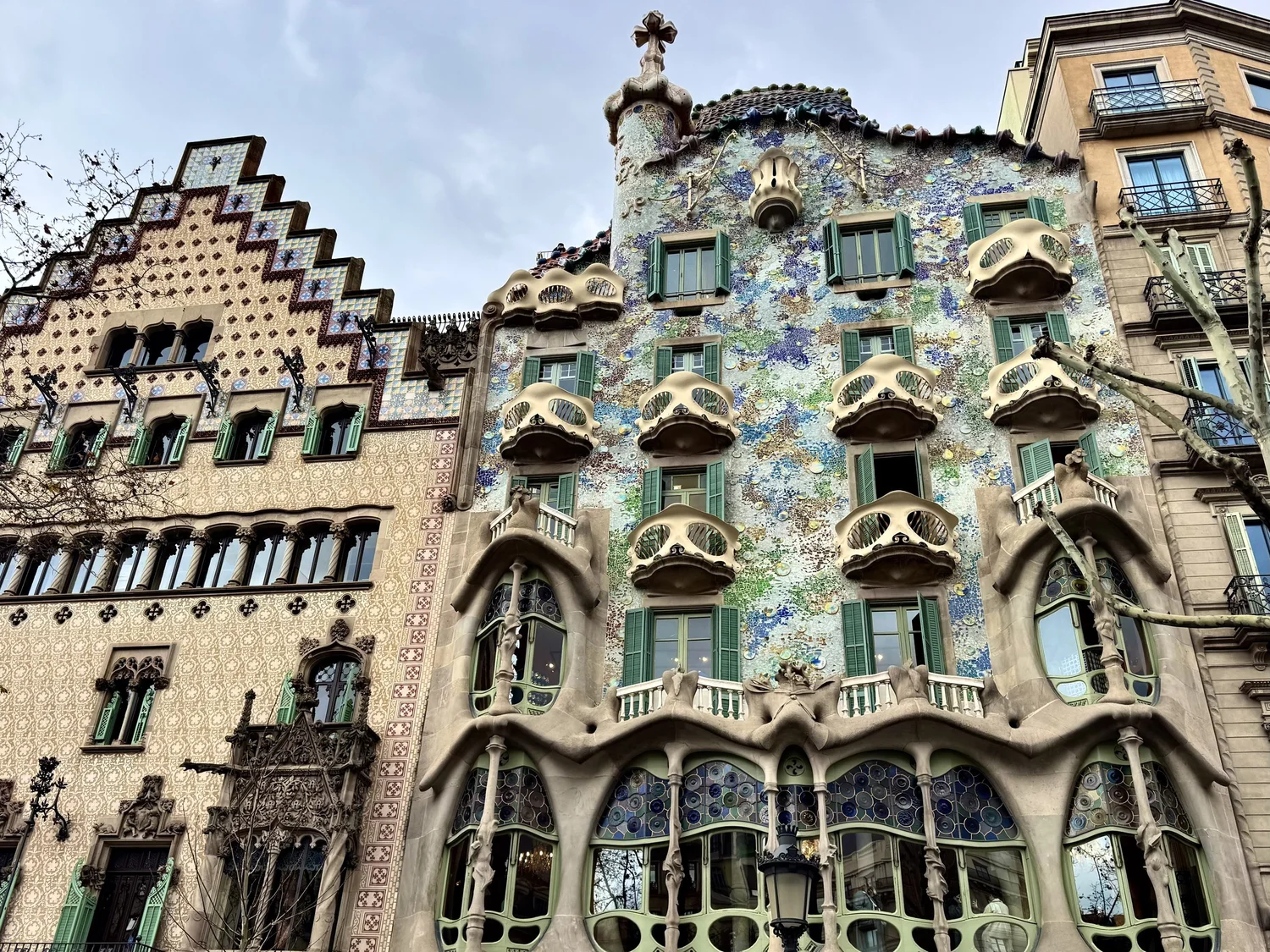
Barcelona’s Passeig de Gràcia is one of the city’s most elegant avenues, and it is home to two extraordinary architectural landmarks.
Casa Batlló is famous for its colourful facade, curved balconies, and roof that resembles the back of a dragon. Its imaginative design makes it look more like a sculpture than an ordinary residential building.
A short walk away stands Casa Milà, also known as La Pedrera. Designed by Gaudí, it features an unusual stone exterior, flowing balconies, and a remarkable rooftop decorated with sculptural chimneys.
Both buildings offer a fascinating glimpse into Catalan Modernisme, the artistic and architectural movement that helped shape Barcelona.
Travel tip: If your budget is limited, admire the buildings from outside. If you are passionate about architecture, consider paying for an interior visit to one of them.
4. Gothic Quarter: Discover the Medieval Heart of Barcelona
The Gothic Quarter, or Barri Gòtic, is one of the most atmospheric areas in Barcelona.
Its narrow stone streets, historic buildings, hidden courtyards, and small squares create a feeling of travelling back in time. This is the perfect neighborhood for exploring without following a strict itinerary.
Important places to discover include:
- Barcelona Cathedral, with its impressive Gothic architecture.
- Plaça del Rei, a historic square surrounded by medieval buildings.
- Plaça Sant Jaume, an important civic and political centre.
- Plaça Reial, known for its elegant arcades, restaurants, and lively atmosphere.
- The ancient Roman remains scattered throughout the old city.
The best way to experience this neighborhood is to walk slowly, explore side streets, and stop whenever something catches your attention.
Travel tip: Visit early in the morning for a quieter experience. Keep an eye on your belongings in busy pedestrian areas.
5. Las Ramblas and La Boqueria Market: Experience the City’s Energy
Las Ramblas is one of Barcelona’s most famous streets. Stretching between Plaça de Catalunya and the waterfront area near the Columbus Monument, it is filled with cafes, street performers, flower stalls, and visitors from around the world.
Although it can be crowded and tourist-oriented, it remains an interesting place to experience the city’s energy.
Just off Las Ramblas, you will find La Boqueria, one of Barcelona’s best-known food markets. Colourful fruit displays, fresh seafood, cured meats, cheeses, and traditional Catalan ingredients make it an exciting stop for food lovers.
Try freshly prepared snacks or explore the market’s different stalls to discover local flavours.
Travel tip: Visit La Boqueria earlier in the day when the market is generally more active. Be aware that prices at some stalls and counters may be higher than in neighborhood markets.
6. Montjuïc: Museums, Gardens, and Panoramic Views
Montjuïc is a hill overlooking Barcelona’s harbour and city centre. It offers a wonderful combination of culture, history, nature, and spectacular viewpoints.
Some of the highlights include:
- Montjuïc Castle: A historic fortress with views over the port and coastline.
- National Art Museum of Catalonia (MNAC): A major art museum housed in the impressive Palau Nacional.
- Joan Miró Foundation: A museum dedicated to the work of the Catalan artist Joan Miró.
- Magic Fountain area: A popular setting for evening visits, although performances and access can vary.
- Olympic Ring: A collection of venues connected with the 1992 Olympic Games.
Montjuïc is also a wonderful place to escape the busy streets and enjoy gardens, walking paths, and quieter corners.
Travel tip: Allow at least half a day to explore the hill. Check current opening arrangements and fountain schedules before visiting.
7. Barceloneta Beach: Enjoy the Mediterranean Lifestyle
Barcelona is not just an architectural destination. It is also a coastal city with several kilometres of urban beaches.
Barceloneta Beach is among the most popular. Located close to the old harbour, it offers golden sand, Mediterranean views, seaside restaurants, and a lively atmosphere.
You can spend the afternoon swimming, sunbathing, cycling along the waterfront, or simply enjoying a relaxed walk beside the sea.
For a different experience, explore nearby beaches such as Bogatell and Nova Icària, which can feel less hectic than the central waterfront during busy periods.
Travel tip: Summer beaches can become crowded. Keep valuables secure and follow local beach safety instructions.
8. Hidden Secrets of Barcelona: Places Beyond the Usual Tourist Route
Barcelona’s famous attractions deserve attention, but some of its most memorable experiences happen away from the main tourist routes.
Here are a few places worth adding to your itinerary.
Bunkers del Carmel
One of Barcelona’s best-known panoramic viewpoints, the Bunkers del Carmel offers wide views across the city. The former anti-aircraft battery has become a popular place to enjoy the skyline, especially around sunset.
Access arrangements and visitor rules can change, so check local guidance before making the journey.
Hospital de Sant Pau
This remarkable Modernista complex is one of Barcelona’s architectural treasures. Designed by Lluís Domènech i Montaner, it features beautiful pavilions, decorative details, gardens, and colourful mosaics.
It is an excellent alternative for visitors interested in architecture beyond Gaudí.
El Laberint d’Horta
For a quieter experience, visit the Horta Labyrinth Park. Its historic gardens, landscaped paths, and maze create a peaceful atmosphere far removed from the busy city centre.
Carrer de Blai
Located in the Poble-sec area, this lively street is known for its tapas and pintxos bars. It is a great place to enjoy an informal evening of food and drinks.
Plaça de Sant Felip Neri
Tucked away in the Gothic Quarter, this small square is one of the area’s most atmospheric corners. Its quiet setting and historic surroundings offer a moment of calm in the middle of the old city.
Travel tip: Hidden gems are often less accessible than central attractions. Check public transport connections and opening arrangements before setting out.
9. Best Neighborhoods in Barcelona: Where to Explore and Stay
Barcelona is divided into different districts, each with its own personality. Choosing the right neighborhood can make a big difference to your experience.
Eixample: Elegant Streets and Modernist Architecture
Eixample is known for its wide avenues, grid-pattern streets, beautiful architecture, shopping streets, and excellent restaurants.
It is a convenient base for visitors who want easy access to Casa Batlló, Casa Milà, and the Sagrada Família.
Best for: First-time visitors, architecture lovers, couples, and comfortable city stays.
Gràcia: Local Charm and Creative Energy
Gràcia feels like a small town within a big city. Its independent shops, local cafes, artistic atmosphere, and lively squares make it a wonderful place to explore.
Plaça del Sol and Plaça de la Vila de Gràcia are popular meeting points.
Best for: Slow travel, independent cafes, local culture, and visitors seeking a more residential atmosphere.
El Born: History, Culture, and Nightlife
El Born combines medieval streets with stylish restaurants, boutique shops, galleries, and lively bars.
The area is also home to the Picasso Museum and the beautiful Basilica of Santa Maria del Mar.
Best for: Couples, art lovers, food enthusiasts, and evening entertainment.
Barceloneta: Beachside Living
Barceloneta is ideal for travellers who want to stay close to the sea. Its narrow streets, seafood restaurants, and beach atmosphere create a distinctive coastal experience.
Best for: Beach lovers, summer visitors, and relaxed seaside holidays.
Poble-sec: Food and a More Relaxed Atmosphere
Poble-sec is located near Montjuïc and is known for its tapas bars, casual restaurants, and lively Carrer de Blai.
It offers a different perspective on Barcelona without being too far from the main attractions.
Best for: Food lovers, budget-conscious visitors, and travellers looking for a local feel.
El Raval: Art and Urban Culture
El Raval is a diverse and energetic neighborhood with museums, independent shops, cultural spaces, and an alternative atmosphere.
It is home to the Barcelona Museum of Contemporary Art (MACBA) and the Centre de Cultura Contemporània de Barcelona (CCCB).
Best for: Contemporary art, urban culture, and adventurous city explorers.
10. How to Get Around Barcelona: A Practical Transport Guide
Barcelona has an extensive public transport network, making it relatively easy to explore without renting a car.
Metro
The metro is one of the fastest ways to travel around the city. It connects major attractions, residential neighborhoods, shopping districts, and transport hubs.
It is particularly useful for longer journeys, such as travelling between the city centre and Park Güell or reaching the Sagrada Família.
Buses
Barcelona’s bus network covers many areas that are not directly served by the metro. Buses are also a pleasant way to see the city while travelling.
Use the official TMB journey planner or app to check routes and schedules.
Tram
The tram network serves selected parts of the city and metropolitan area. It can be useful depending on where you are staying.
Walking
Walking is one of the best ways to discover Barcelona. The Gothic Quarter, El Born, Las Ramblas, and parts of Eixample are particularly enjoyable on foot.
Wear comfortable shoes because you will probably walk much more than expected.
Taxi and Ride Services
Taxis are widely available and useful when travelling with luggage or returning late at night. Check the fare arrangements before beginning your journey.
Hola Barcelona Travel Card
If you plan to use public transport frequently, compare the Hola Barcelona Travel Card with individual tickets. The card offers unlimited travel for selected durations on participating public transport services.
Check the latest ticket conditions, prices, and airport-transfer coverage before purchasing.
Getting from Barcelona Airport to the City Centre
Barcelona-El Prat Airport is connected to the city by several transport options, including:
- Aerobús airport shuttle.
- Metro Line L9 Sud.
- Local bus services.
- Train services from the airport.
- Official taxis.
The best option depends on your accommodation, arrival terminal, luggage, and budget.
Important transport tips:
- Validate your ticket where required and keep it available during your journey.
- Check whether your chosen travel pass includes the airport journey you need.
- Metro operating hours vary by day of the week.
- Night buses operate on many routes.
- Avoid driving in the city centre unless necessary; parking and low-emission restrictions can make car travel inconvenient.
11. What to Eat in Barcelona: Local Food You Should Try
Food is an essential part of the Barcelona experience. The city’s culinary culture combines traditional Catalan recipes, Mediterranean ingredients, seafood, and contemporary cooking.
Here are some dishes and local favourites to look for:
Pa amb Tomàquet: Toasted bread rubbed with ripe tomato, olive oil, and salt. A simple Catalan classic.
Patatas Bravas: Fried potatoes served with a spicy or flavourful sauce.
Escalivada: Roasted vegetables, often including aubergine and peppers, served with olive oil.
Crema Catalana: A traditional Catalan dessert with a creamy custard base and caramelised sugar topping.
Bombas: Fried potato balls, often filled with meat and served with sauces.
Seafood dishes: Barcelona’s coastal location makes seafood a popular choice in many restaurants.
For an authentic experience, explore neighborhood restaurants and traditional markets rather than eating exclusively around the busiest tourist attractions.
12. Best Time to Visit Barcelona
Barcelona can be visited throughout the year, but the experience changes with the seasons.
Spring (March–May): One of the most pleasant periods for sightseeing. Temperatures are generally comfortable, and parks and gardens become especially attractive.
Summer (June–August): Ideal for beach activities, outdoor dining, and lively evenings. However, it can be hot, crowded, and more expensive.
Autumn (September–November): A good balance of pleasant weather and sightseeing opportunities. September can still be warm enough for beach visits.
Winter (December–February): Generally quieter, with cooler weather and a more relaxed atmosphere. It can be a good time for museums, architecture, shopping, and cultural experiences.
For many visitors, spring and early autumn offer an excellent combination of comfortable weather and manageable sightseeing conditions.
13. Suggested 3-Day Barcelona Itinerary
If you have only three days in Barcelona, a little planning will help you experience the city’s highlights without rushing too much.
Day 1: Gaudí and the Modernist City
- Morning: Visit the Sagrada Família.
- Late morning: Explore Passeig de Gràcia.
- Afternoon: Visit Casa Batlló or Casa Milà.
- Evening: Enjoy dinner in Eixample.
Day 2: Historic Barcelona and the Waterfront
- Morning: Explore the Gothic Quarter and Barcelona Cathedral.
- Late morning: Walk through Las Ramblas and visit La Boqueria.
- Afternoon: Discover El Born and the Picasso Museum.
- Evening: Walk towards Barceloneta and enjoy the Mediterranean waterfront.
Day 3: Parks, Viewpoints, and Local Neighborhoods
- Morning: Explore Park Güell.
- Afternoon: Visit Montjuïc and its gardens or museums.
- Evening: Discover Gràcia or enjoy tapas in Poble-sec.
This itinerary is flexible. If you prefer beaches, museums, or architecture, adjust the schedule according to your interests and the opening times of attractions.
14. Practical Travel Tips for Visiting Barcelona
A little preparation can make your Barcelona holiday much smoother.
Book popular attractions early: Sagrada Família and Park Güell can attract large numbers of visitors. Reserve tickets in advance, especially during busy periods.
Watch out for pickpockets: Be particularly careful in crowded tourist areas, on public transport, and around busy attractions. Keep your phone and wallet secure.
Respect local customs: Catalan and Spanish are both widely used. Learning a few basic greetings in either language can make interactions more pleasant.
Understand meal times: Lunch and dinner are often later than in many other countries. Restaurants may become busier during traditional Spanish dining hours.
Carry comfortable footwear: Barcelona is a walking city, and exploring its historic streets can involve uneven pavements and long distances.
Check museum and attraction schedules: Some attractions close on particular days or have seasonal opening arrangements.
Consider accommodation location carefully: Staying near a metro station can save time and make sightseeing much easier.
Check entry requirements: International visitors should verify passport validity, visa requirements, travel insurance, and any applicable entry rules before departure.
Be aware of local tourist taxes: Accommodation-related tourist taxes and regulations can change. Check the latest charges with your hotel or official tourism sources before booking.
15. Is Barcelona Worth Visiting?
Absolutely. Barcelona offers an unusual combination of experiences that few cities can match.
It is a destination where architecture becomes art, historic streets become open-air museums, local markets become culinary adventures, and the Mediterranean coastline provides a relaxing escape from city life.
You can spend the morning admiring Gaudí’s extraordinary creations, the afternoon discovering medieval neighborhoods, and the evening enjoying tapas beside a lively square.
The secret to enjoying Barcelona is not simply ticking off famous attractions. Take time to explore its neighborhoods, discover quieter streets, taste local food, and experience the city at your own pace.
Whether you visit for three days or spend a full week exploring Catalonia’s capital, Barcelona has plenty of reasons to make you want to return.
Barcelona is not just a city to see. It is a city to experience.
Suggested Internal Links:
- Spain Travel Guide
- Best Places to Visit in Europe
- Best European Cities for First-Time Visitors
- Mediterranean Beach Destinations
- Best Things to Do in Spain
Suggested Categories: Europe Travel, Spain Travel Guides, City Breaks, Travel Tips